
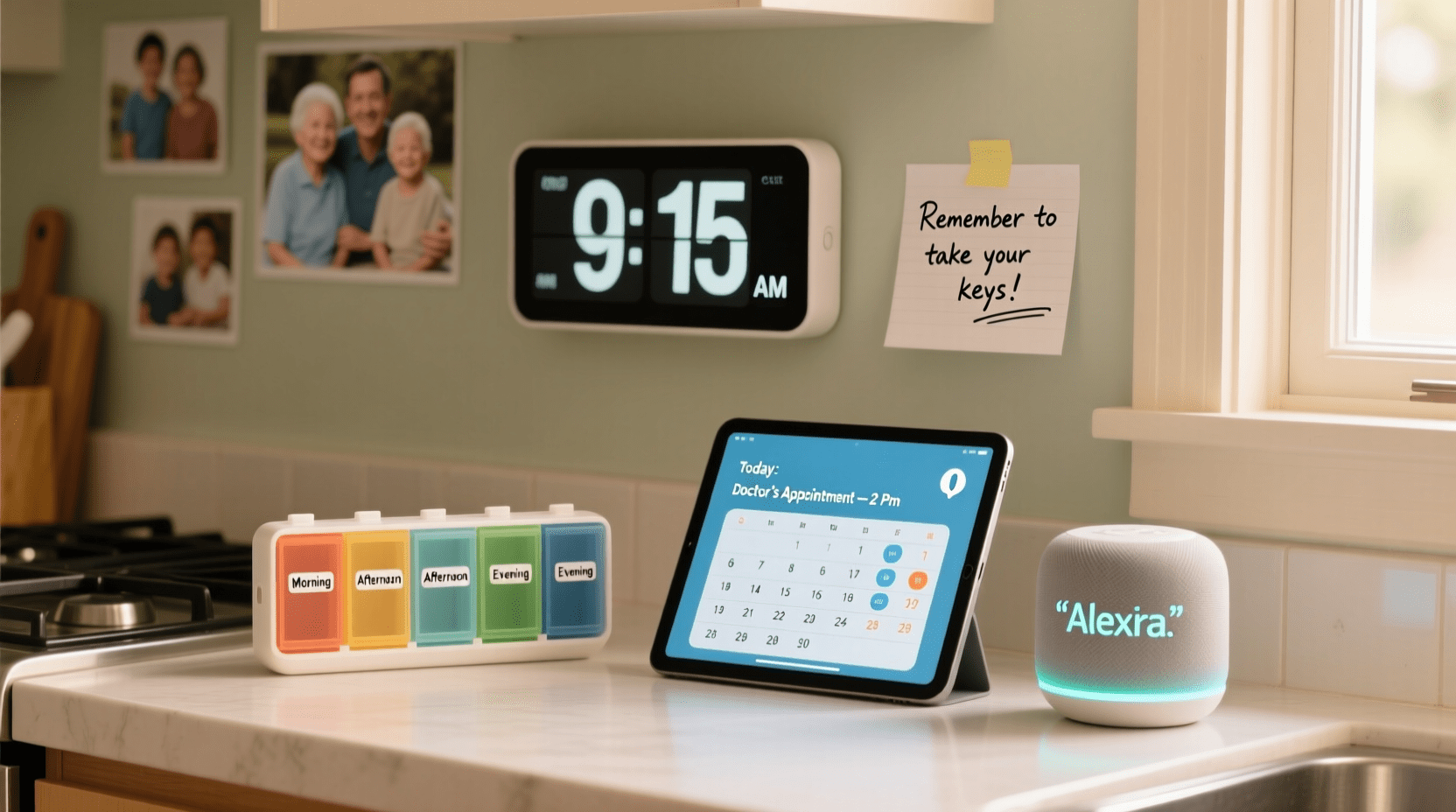
Caring for a loved one with dementia brings unique challenges – but today’s technology offers compassionate, practical solutions that support both individuals and their families. From enhancing safety to fostering connection, these tools are designed with simplicity and dignity in mind. Here are five simple yet powerful tech innovations making a real difference in dementia care.
1. TV-Based Video Calling Devices
Staying connected shouldn’t require mastering new technology. For many seniors, the TV is the most familiar screen in the house – and platforms like JubileeTV turn it into a communication hub. With no buttons to press, caregivers can initiate video calls remotely, send messages, and even manage what their loved one watches.
This seamless interaction reduces confusion and encourages regular contact, which can improve mood and cognitive engagement. One family reported noticeable improvements in their mother’s state of mind after using the device: she felt more in control, had better spirits, and could actively choose what to watch.
Because it uses a screen seniors already know, adoption is fast and frustration-free, making it an ideal tool for long-distance caregiving.
2. AI-Powered Medication Dispensers
Medication errors are a serious concern in dementia care. AI-powered dispensers like Pillo Health or Hero automate the process, dispensing the correct pills at scheduled times and alerting caregivers if a dose is missed.
These devices often include voice reminders, locking compartments, and app-based monitoring so families can stay informed – even from afar. Some models learn routines over time and adapt to small changes in daily habits, offering personalized support.
By reducing the risk of missed or double doses, these smart dispensers promote independence while giving families peace of mind.
3. Wearable GPS Trackers with Geofencing
Wandering is a common and dangerous symptom of dementia. Wearable GPS trackers – such as the Theora Connect Watch or Kanega Watch – help keep loved ones safe by providing real-time location tracking.
With geofencing, caregivers can set virtual boundaries (like a home or neighborhood). If the person leaves the designated area, an alert is sent instantly to a smartphone or tablet. Many devices also include two-way audio, fall detection, and cellular connectivity, ensuring help is always within reach.
Some models even feature locking bands to prevent removal, addressing a common challenge in dementia care.
4. Voice Assistants for Cognitive Support
Smart speakers like Amazon Alexa or Google Nest can be customized to support memory and daily routines. When set up thoughtfully, they can:
- Remind users to take medication
- Announce appointments
- Answer repetitive questions (“What day is it?”)
- Play calming music or guided relaxation
- Control smart lights or thermostats by voice
For individuals with early- to mid-stage dementia, these voice assistants act as gentle, non-judgmental companions. They reduce confusion and help maintain a sense of control over the environment – especially when integrated with other smart home devices.
5. Smart Home Safety Sensors
Caregivers can’t be everywhere at once – but smart sensors can help monitor safety passively. Simple devices placed on doors, beds, or in kitchens detect movement and send alerts when unusual patterns occur, such as:
- A door opening late at night
- The stove being left on
- Prolonged inactivity in the bathroom
- Missed bedtime routines
Systems like CarePredict or EarlySense use motion and environmental sensors to build a picture of daily habits and flag potential risks before they become emergencies. Alerts are sent to family members or professional caregivers via smartphone apps.
These tools offer peace of mind without constant surveillance, respecting privacy while supporting independence.
Choosing the Right Tools for Your Family
Every dementia journey is different. What works for one person may not suit another. When selecting technology, focus on:
- Ease of use: The simpler, the better.
- Familiarity: Tools that integrate with existing routines (like watching TV) are more likely to be accepted.
- Flexibility: Look for devices that can adapt as needs change.
- Privacy: Always balance safety with dignity and consent when possible.
Technology isn’t a replacement for human connection – but when used thoughtfully, it can enhance care, reduce stress, and help families stay closer, no matter the distance.